
HEC Lausanne · UNIL · September 24, 2026
✦ Save the date
Fighting
Disinformation
& the Role of AI
A one-day interdisciplinary workshop at the intersection of AI and disinformation. Bringing together researchers, media professionals, policymakers, tech actors and students to share knowledge and foster lasting collaborations.
The SCALE room, located in the Internef building on the UNIL campus | view map →
About the Workshop
Where research meets practice
AI is simultaneously amplifying disinformation and creating new tools to detect and counter it. This workshop brings together the full spectrum of actors navigating this challenge, to exchange knowledge, challenge assumptions, and build the collaborations needed to respond effectively.
Disinformation is not a problem any single discipline can solve alone. This is where empirical findings meet field realities.
Who should attend?
Built for every actor in
the ecosystem
🎓 Researchers
🏛 Policymakers
🧑🎓 Students
🤖 Tech Actors
📰 Media Professionals
This workshop is designed for anyone engaged with the disinformation challenge, whether through empirical research, tool development, policy design, journalism, or graduate study. Come ready to exchange, challenge, and connect.
Program
September 24, 2026 – Full Day
Welcome
Keynote · 15′ + 5′ Q&A
Panel · 45′ + 15′ Q&A
- @Alexandre Bovet, University of Zurich
- @Fabrizio Gilardi, Professor of political science, University of Zurich
- @Touradj Ebrahimi, EPFL
Break
Lunch
Panel
- @Caroline Vuillemin, Fondation Hirondelle
- @Kat Morse, Globethics
- @Thomas Häussler, PhD, Federal Office of Communications (OFCOM)
- @Emilie Max, Policy advisor, Movement Hub on Harmful Information, Swiss Red Cross
Solutions Lab
Special Address
Closing
Speakers & Team
Who you’ll hear from
Confirmed speakers below, more to be announced.
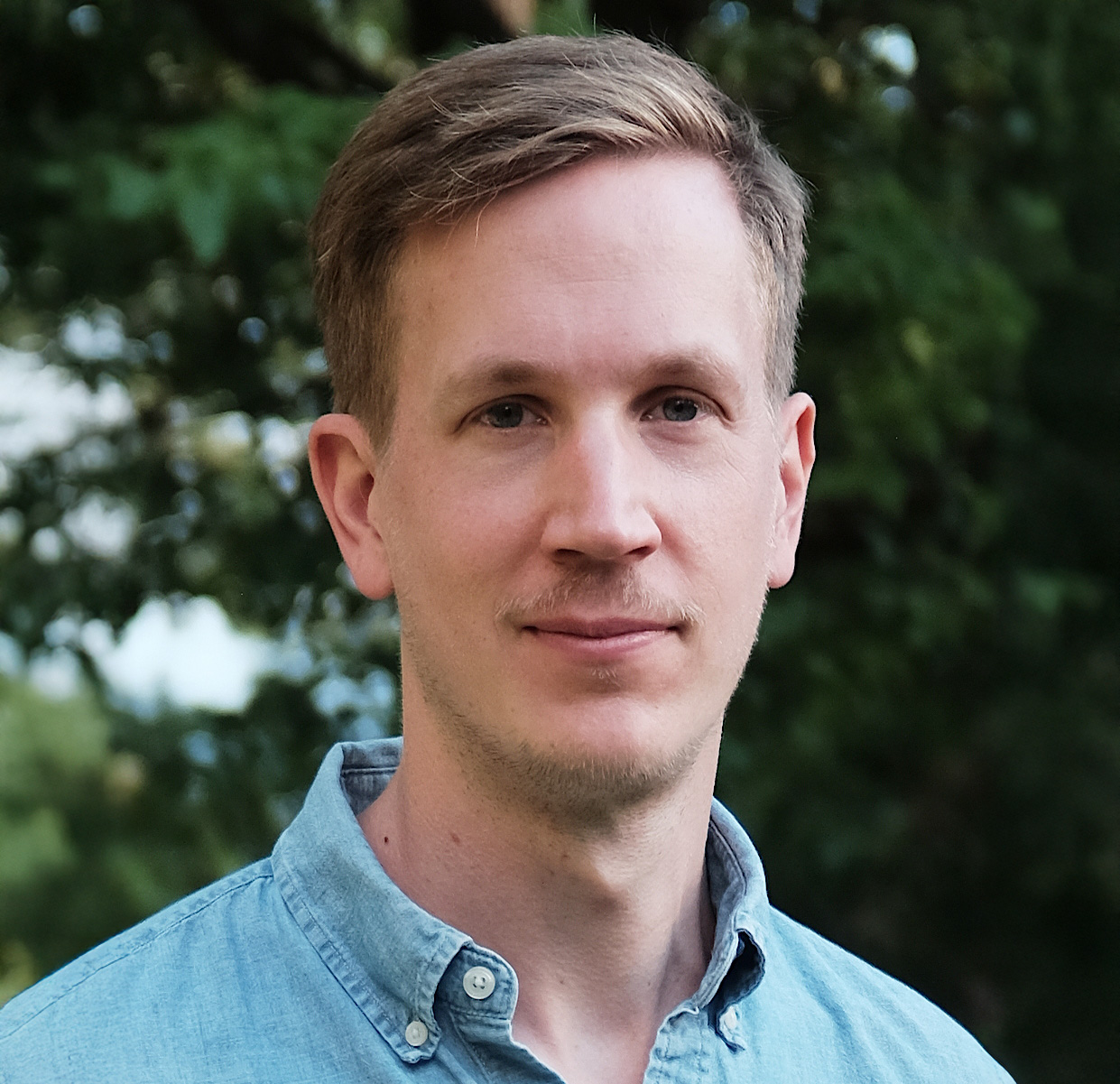
Alexandre Bovet
Assistant Professor, Quantitative Network Science
Read bio
Alexandre Bovet is an Assistant Professor at the Department of Mathematical Modeling and Machine Learning and a member of the Digital Society Initiative at the University of Zurich. He is the head of the Quantitative Network Science group, which focuses on understanding complex systems and their modeling using complex networks. His group is interested in interdisciplinary approaches and the development of new mathematical and computational tools to answer social, biological, and economic questions. In particular, they work on developing new methods to describe and understand networks, as well as social media and its impact on society, including disinformation, social dynamics, media, and democracy.
Before that, Alexandre was a Postdoctoral Research Associate in the Mathematics of Social Systems and Applications to Public Policy at the Mathematical Institute at Oxford University. He also held the position of SNSF Advanced Postdoctoral Fellow at the Mathematical Engineering department (INMA, ICTEAM) of the Université Catholique de Louvain and at the Namur Center for Complex Systems. He was also an SNSF Early Postdoctoral Fellow at the Levich Institute of the City College of New York, as well as a Postdoctoral researcher at the Theoretical Biology lab at the ETHZ, Zurich, Switzerland. He received his PhD in physics from EPFL in Lausanne in 2015.
Read bio
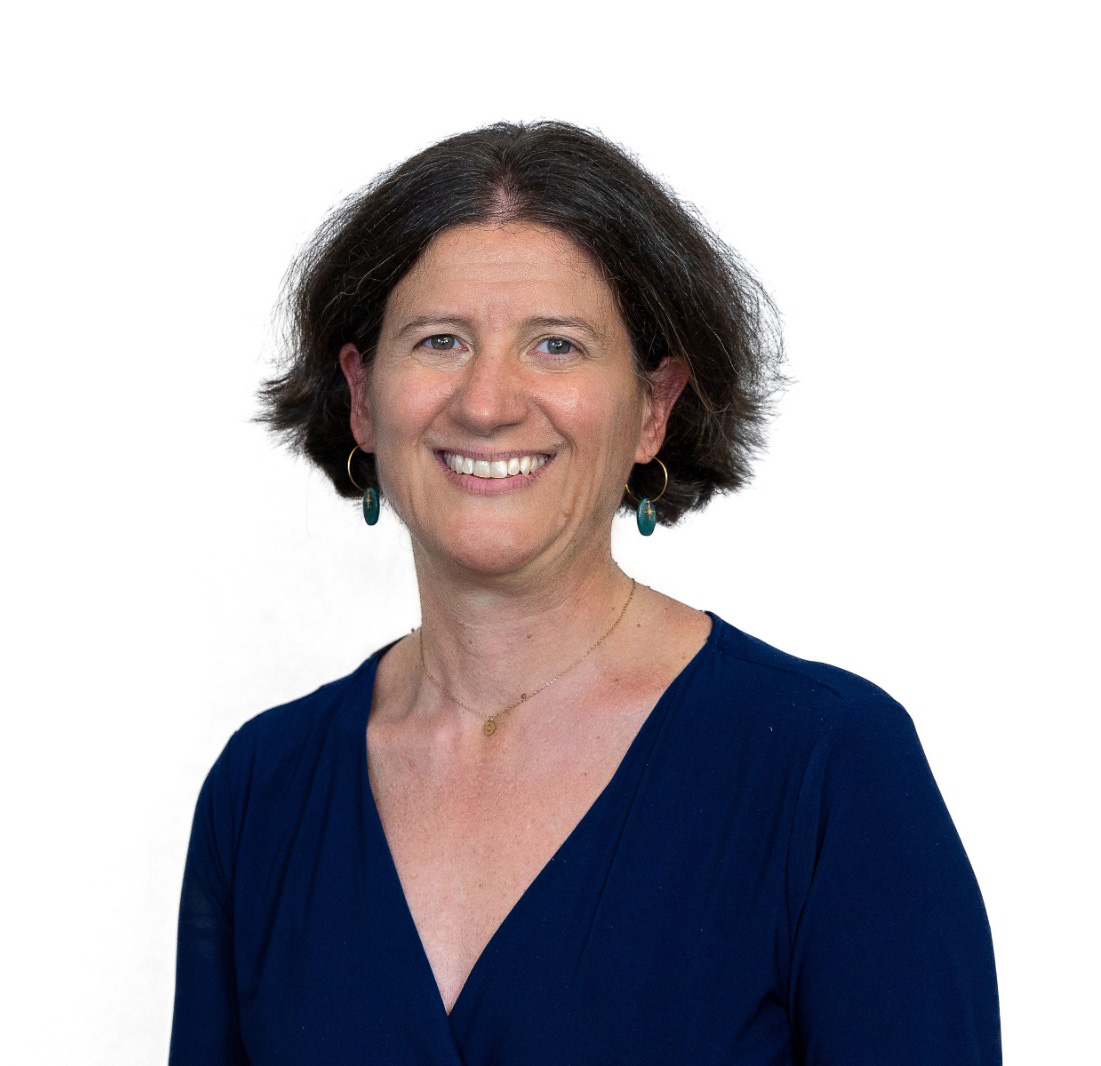
Caroline Vuillemin has been Director General of Fondation Hirondelle since 1 January 2017. Her career reflects a strong commitment to international development, particularly in Africa. She joined Fondation Hirondelle in December 2003. Initially in charge of the Radio Okapi project (the United Nations radio station in the DRC created in partnership with Fondation Hirondelle), she became Director of Operations in 2008. Before joining Fondation Hirondelle, she worked for the International Foundation for Electoral Systems (IFES), where she participated in numerous election observation missions in the DRC, Rwanda, Burundi, South Africa, Nigeria, and Congo-Brazzaville. Caroline Vuillemin holds a degree from the Lyon Institute of Political Studies (Sciences Po Lyon), complemented by a diploma in International Relations from Georgetown University in Washington, DC. She is a member of the committees of the Global Forum for Media Development (GFMD), Fedevaco (Vaud Federation for Development Cooperation), and the H2H Network (Humanitarian to Humanitarian).
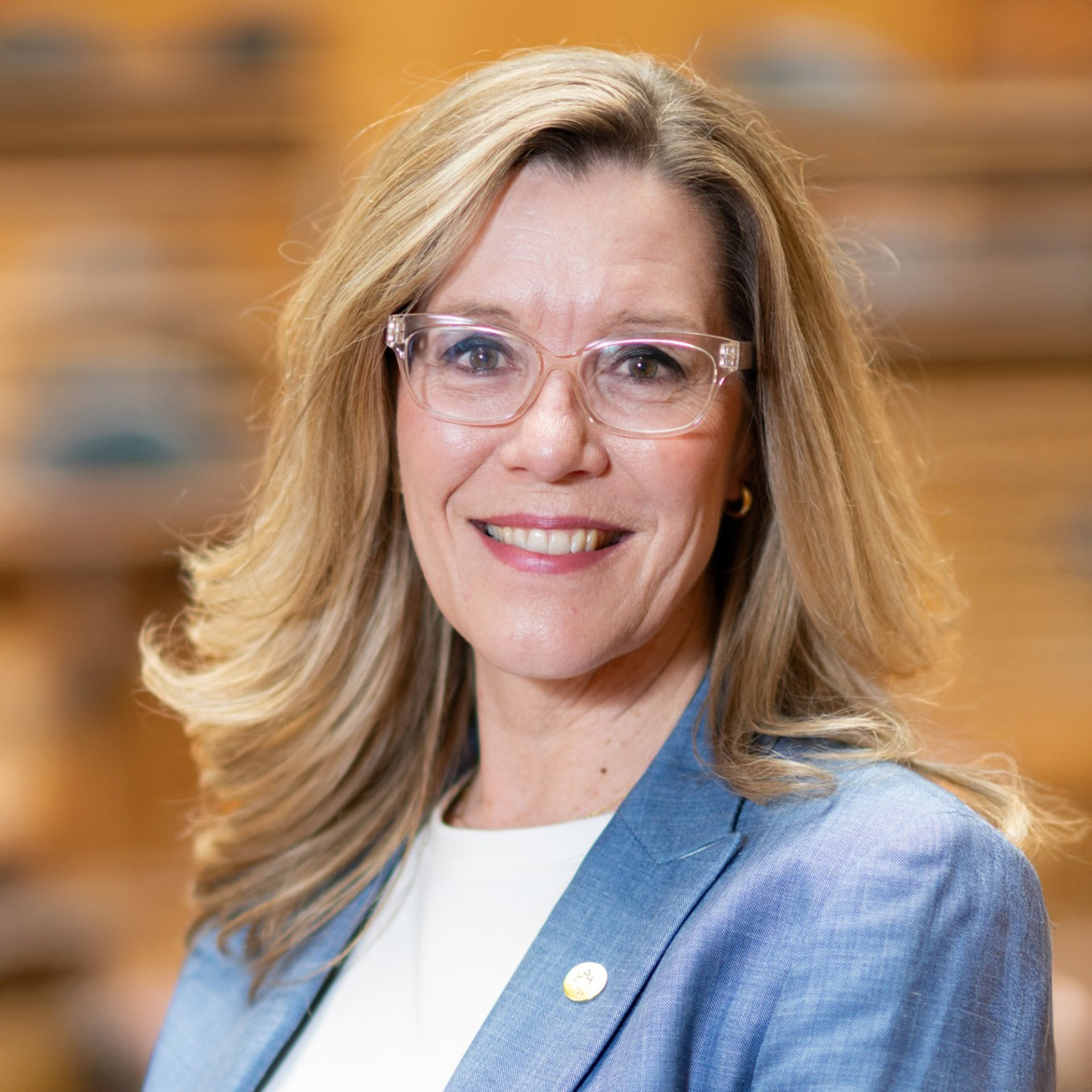
Isabelle Chappuis
Member of Swiss Parliament, Author, Independent Board Member, Keynote Speaker
Read bio
Isabelle Chappuis is a Swiss parliamentarian, author, and foresight specialist. Her work focuses on emerging technologies, at the interface between technological transformation, security, and democratic resilience. Elected to the National Council in 2023, she sits on the Security Policy Committee, where she addresses issues of technological and digital sovereignty, state continuity, cyber and cognitive threats, and crisis preparedness. Her parliamentary work focuses in particular on the resilience of critical digital dependencies, questions of sovereignty, and factoring geopolitical risk into technological choices. She also serves as President of the Swiss Civil Protection Federation.
An economist by training, she spent more than fifteen years at the University of Lausanne working in continuing education and analyzing the effects of digital technology and AI on work and society. Her current work focuses on cognitive warfare, information manipulation, and the impact of AI and chatbots on human judgment, raising central questions of consent, autonomy, and cognitive integrity.
Read bio
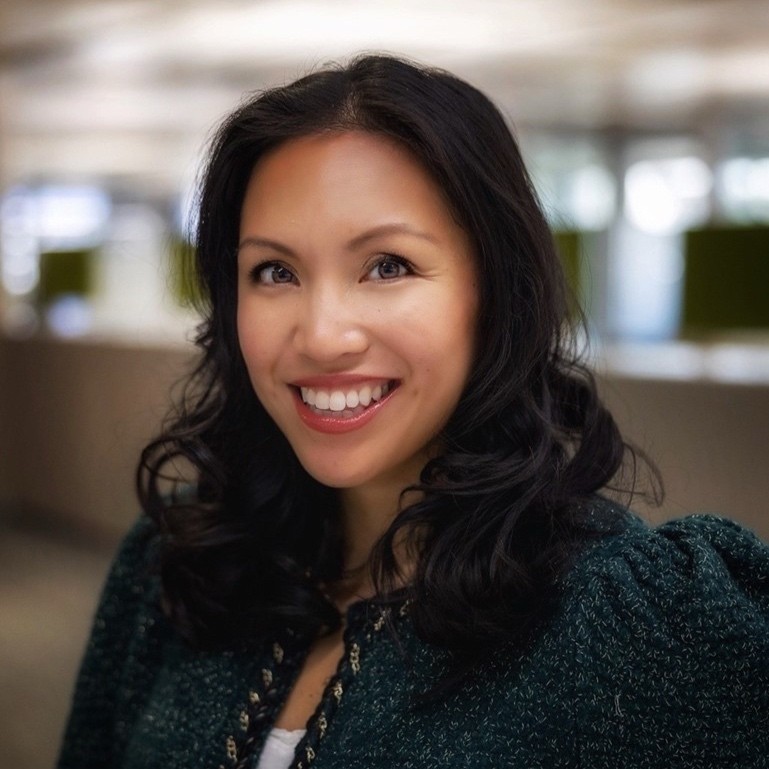
R. Kat Morse is Acting Head of Solutions Hub at Globethics, where she helps leaders and organizations navigate complex ethical challenges and ethical risk management in an era of rapid technological and societal change. Her work focuses on ethical decision-making, responsible leadership, and the implications of emerging technologies, including AI, Web3, and quantum computing. In parallel, she is Managing Director of Evolvere Advisory, advising organizations on innovation, strategy, and emerging technologies. Previously, she led innovation initiatives at the International Air Transport Association (IATA) and founded Wiine.Me, a technology startup focused on personalized wine discovery. She is an experienced facilitator and speaker in executive, academic, and international settings, speaking on ethics, leadership, innovation, and emerging technologies. Ms. Morse is a TEDx speaker and guest lecturer on Web3, AI, and Quantum Computing at Harvard Law School. She holds a J.D. from the University of Illinois at Chicago and a B.S. in Brain and Cognitive Sciences and Neurobiology from the University of Rochester.
Read bio
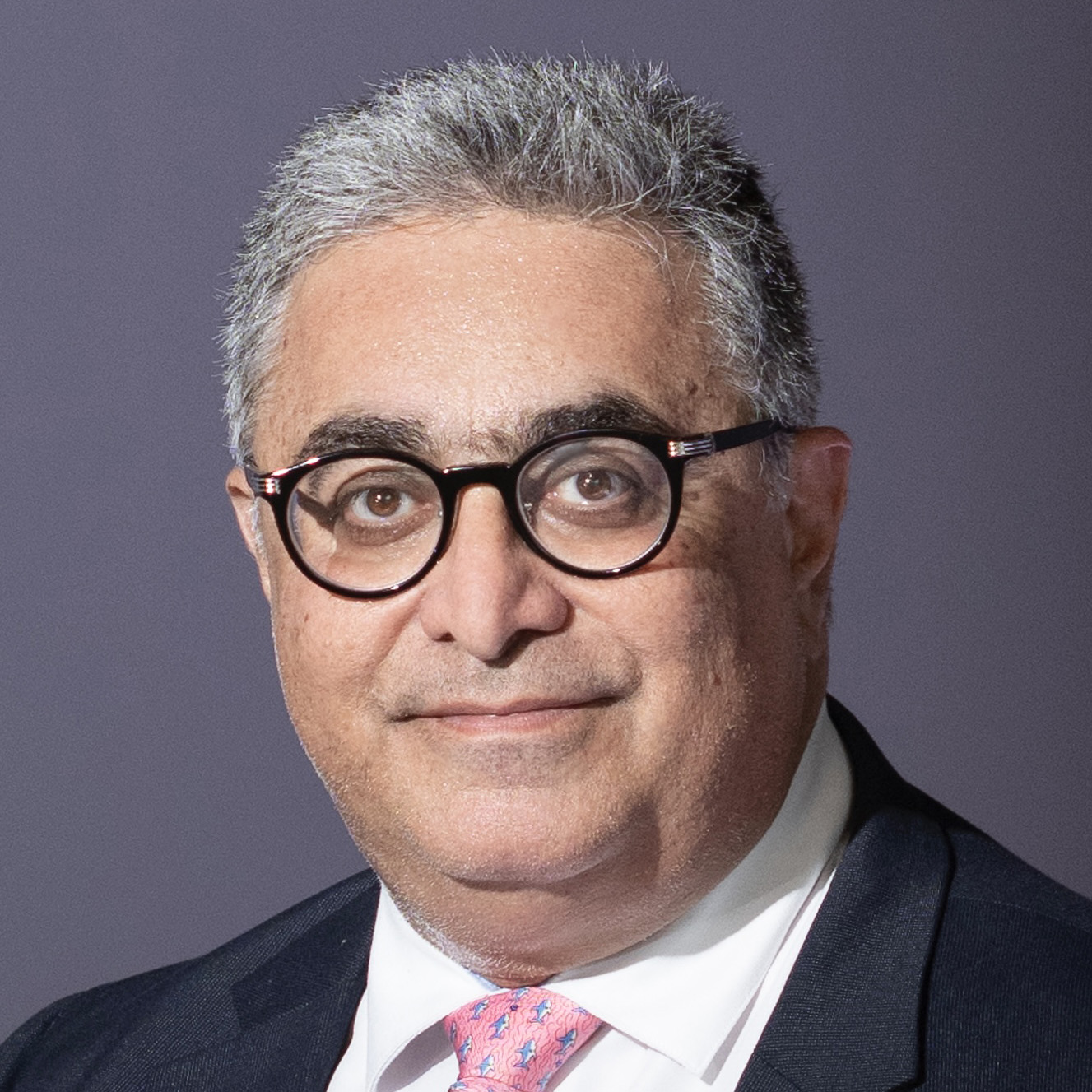
Prof. Touradj Ebrahimi stands among the most influential figures in the field of multimedia signal processing, where his vision, scientific excellence, and leadership have redefined the way the world captures, processes, authenticates, and experiences multimedia information. A Professor at the École Polytechnique Fédérale de Lausanne (EPFL) and Head of the Multimedia Signal Processing Group (MMSPG), he has pioneered breakthroughs that span image and video compression, media security, multimedia user experience, and AI-powered imaging technologies.
For over three decades, Prof. Ebrahimi’s research has shaped global standards and technological practices. As Convenor of the JPEG Committee (ISO/IEC JTC 1/SC 29/WG 1) since 2014, he has led the creation of revolutionary standards, including JPEG XS for ultra-low latency and high-quality applications, JPEG XL a feature rich image compression standard for today and emerging imaging applications, JPEG AI harnessing artificial intelligence for next-generation image coding, JPEG Trust ensuring multimedia authenticity in the age of synthetic media, as well as the upcoming JPEG DNA for encoding digital data into synthetic DNA, and JPEG XE, the world’s first standard for coding of events for machine vision applications. His work has impacted industries as diverse as broadcasting, cinema, extended reality, social media, publishing, and archival.
Prof. Ebrahimi’s scientific influence is matched by his prolific scholarly output — over 350 peer-reviewed publications and numerous patents — and by his role in training the next generation of innovators, having supervised more than 50 doctoral theses. His contributions have been recognized with the SMPTE Progress Medal, the IEEE Standards Medallion, and an Emmy Award from the National Academy of Television Arts & Sciences, among many other international honors.
Beyond academia, he is the founder and CEO of RayShaper SA, a Swiss company delivering AI-driven imaging solutions with global impact. He is a trusted advisor to governments, research agencies, and industry consortia, shaping policy and technological roadmaps for trustworthy AI, media authenticity, and sustainable innovation.
Read bio
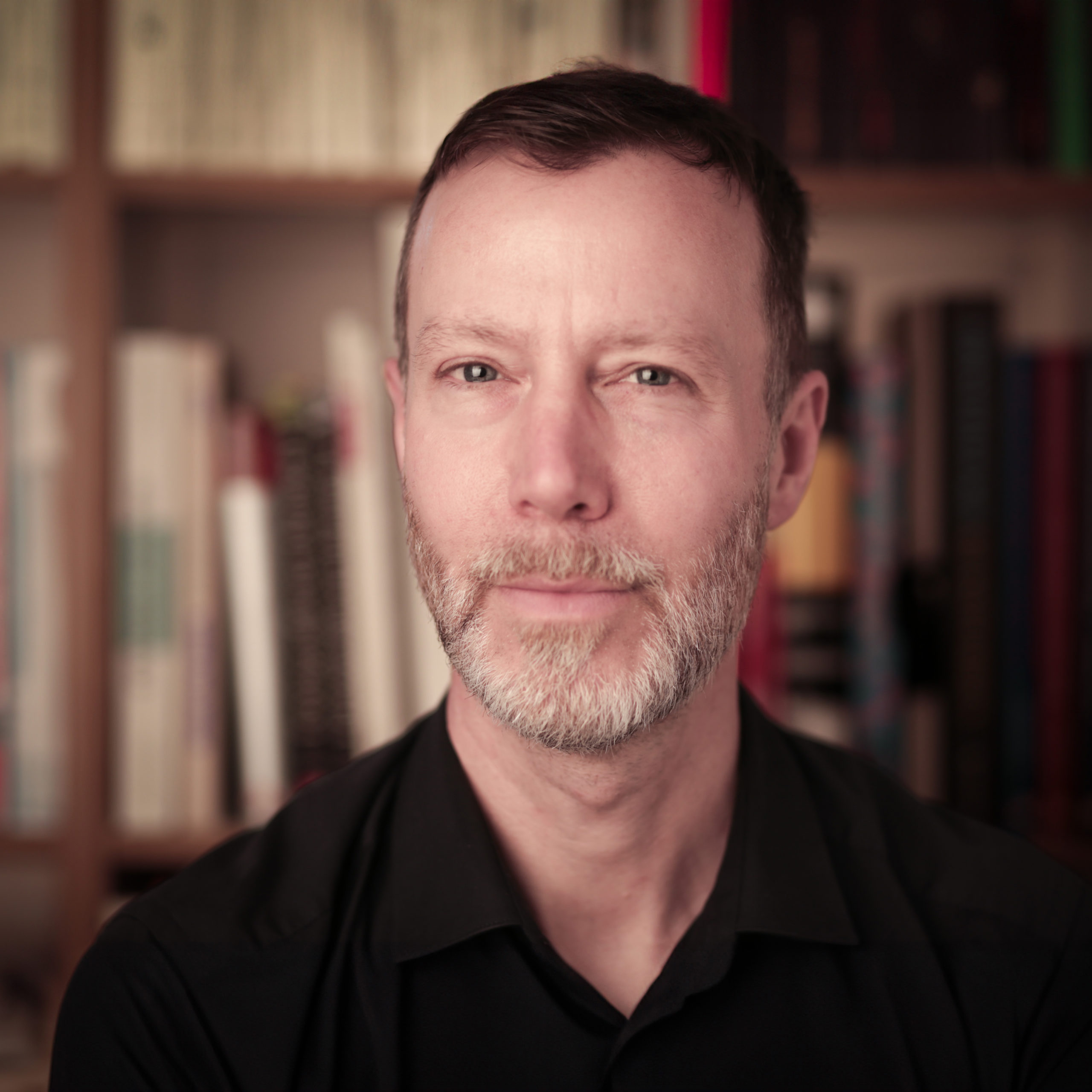
Thomas Häussler stands among Switzerland’s leading voices on digital disinformation, hate speech, and platform governance, where his research and policy work have helped shape how institutions understand and respond to the challenges of the networked public sphere. Media specialist for digital platforms and artificial intelligence at the Federal Office of Communications (OFCOM) since 2020, and lecturer at the University of Zurich since 2023, he bridges rigorous scholarship with concrete public action toward a more transparent and accountable digital ecosystem.
Holder of a doctorate summa cum laude from the University of Bern, where he conducted postdoctoral research on polarization in the networked public sphere and disinformation, his career has taken him from research fellowships at the University of Washington and the University of Sussex to a visiting professorship in political communication at Zeppelin University. A former Executive Board member of the Swiss Association of Communication and Media Research and co-editor of Studies in Communication Sciences, he has published in leading journals including New Media & Society, Information, Communication & Society, and Social Networks.
At OFCOM, he co-authors influential reports on disinformation, influence operations, and the legal challenges posed by hate speech and violent extremism, while contributing to policy proposals and draft legislation on digital platforms. Fluent in German, English, Italian, and French, he embodies a rare combination of academic depth and applied expertise at the intersection of communication research and digital policy.
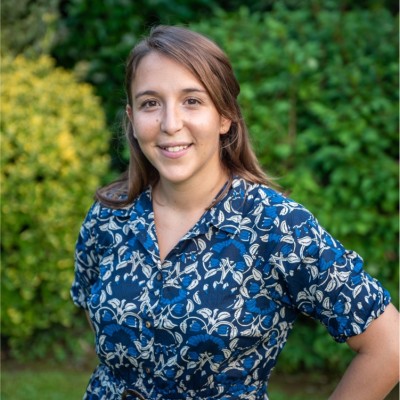
Émilie Max
Legal & Policy Advisor
Policy advisor, Movement Hub on Harmful Information, Swiss Red Cross
Read bio
Émilie Max is an expert legal and policy advisor with over 12 years of professional experience in humanitarian affairs. Prior to joining the Movement Hub on Harmful Information, she most notably worked for the Swiss Federal Department of Foreign Affairs, the Geneva Academy of International Humanitarian Law and Human Rights and international NGOs based in the Middle-East. Her expertise lies at the crossroads of legal advice, political analysis, multilateral negotiations and Middle-Eastern studies; with a focus on mitigating the consequences of armed conflicts on affected populations.
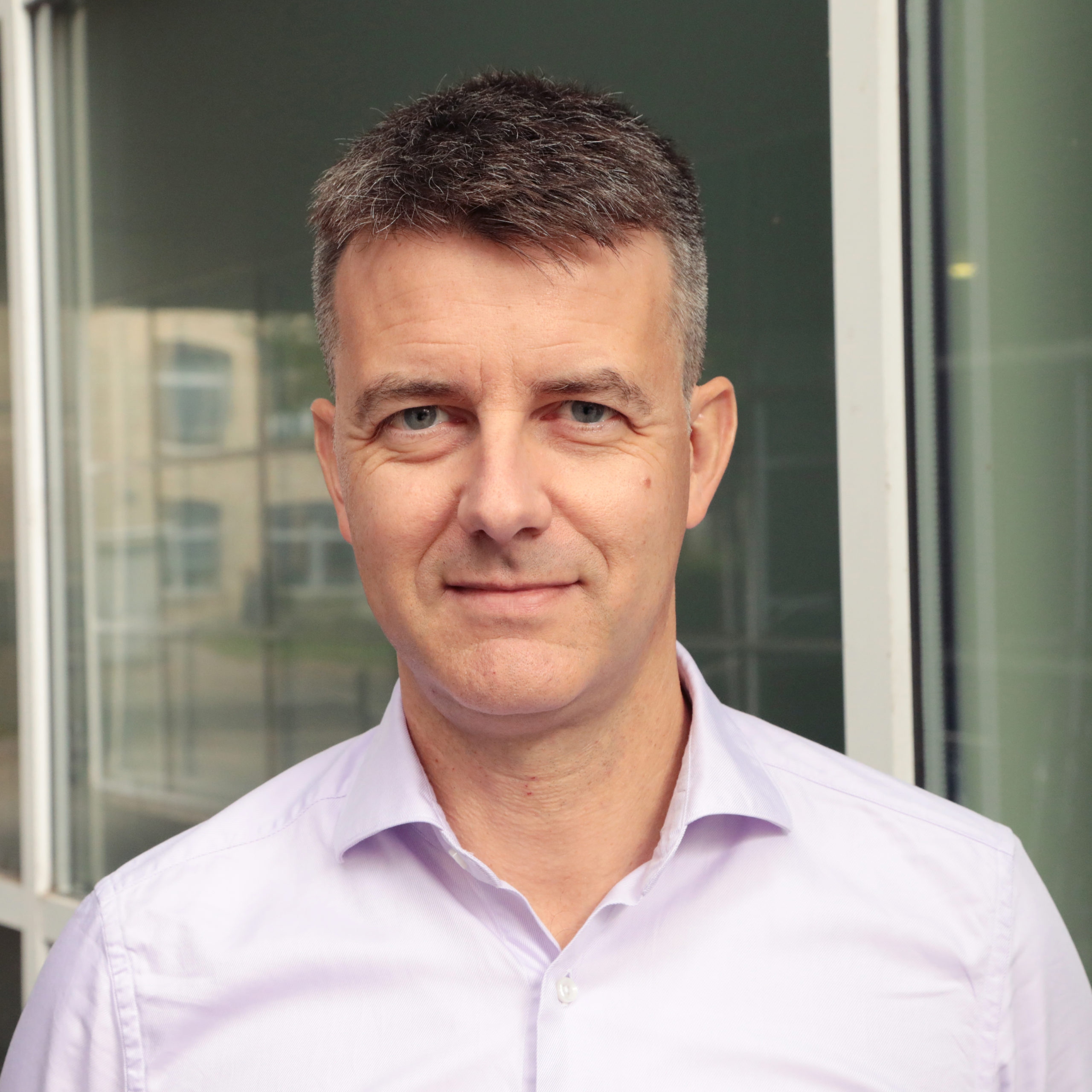
Fabrizio Gilardi
Professor of political science
University of Zurich
Read bio
Fabrizio Gilardi is a professor of political science at the University of Zurich, where he researches how digital technologies, including social media and AI, are transforming politics and democracy. He led the ERC Advanced Grant project “Problem Definition in the Digital Democracy” (PRODIGI, 2021–2025), currently leads the SNF-funded project “Improving the Quality of Online Public Discourse” (2024–2028), and is co-leading “Virtual Arena for Research, Education, and Democratic Innovation” (VIRENA). His work has been published in leading academic journals such as the Proceedings of the National Academy of Sciences (PNAS), the American Journal of Political Science, the British Journal of Political Science, Political Science Research and Methods, and Political Communication.
Scientific Consortium
Scientific Consortium
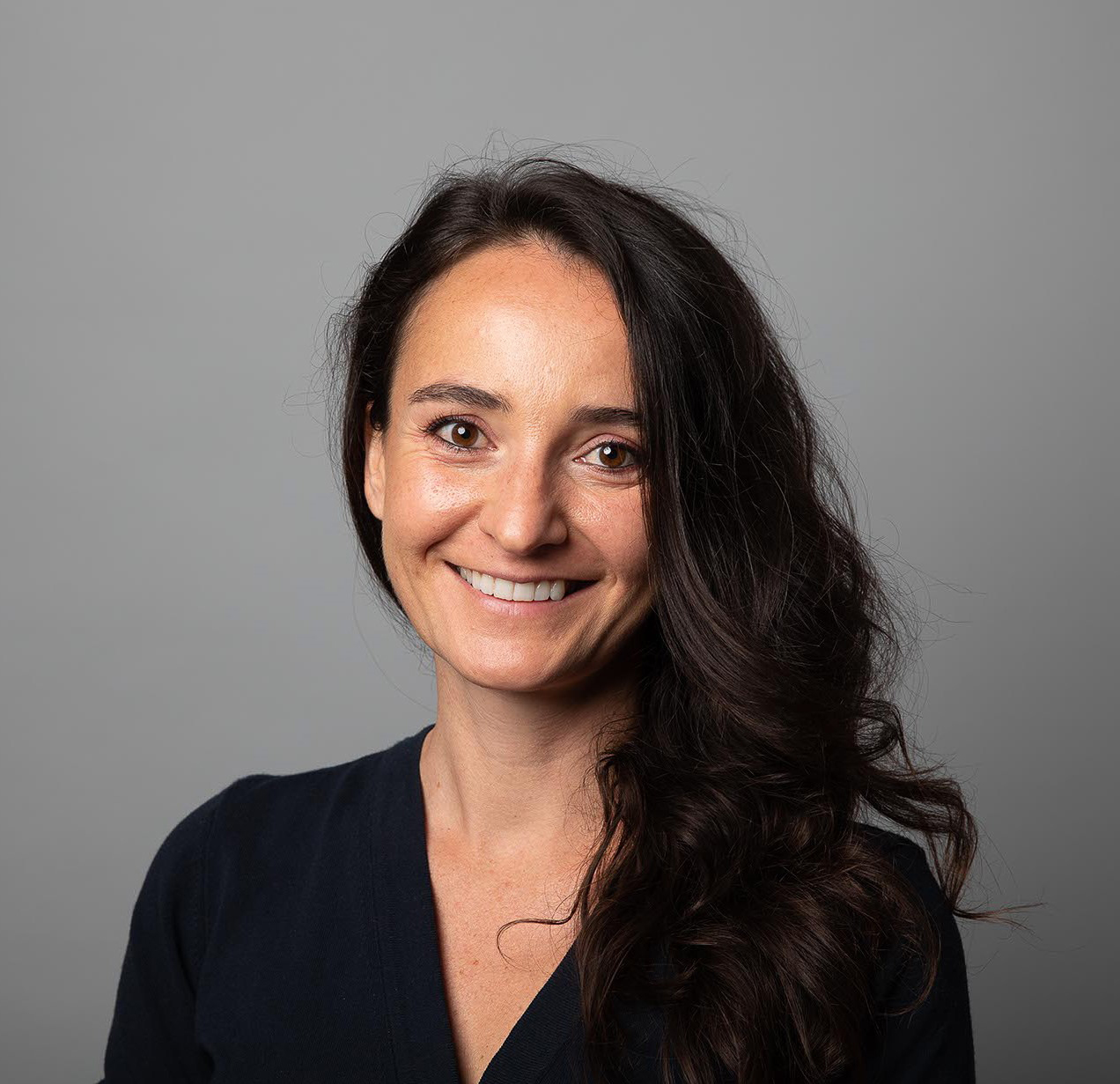
Katherine Tatarinov
Assistant Professor of Strategy
Read bio
Katherine Tatarinov’s research focuses on social innovation, digital transformation, and managing grand challenges. Her previous work empirically analyzed the understudied context of the United Nations organizations and their strategies to better solve the world’s biggest problems through innovation, technology, and collaborative ecosystems. Today’s research projects involve understanding the role of Artificial Intelligence and digital technology in various verticals including finance and education. Her academic research is regularly presented at leading conferences, published in top international academic journals, such as Journal of International Business Studies and Journal of Management Studies, as well as practitioner journals, such as AIB Insights and Stanford Social Innovation Review, and received several prestigious awards such as the Peter J. Buckley and Mark Casson AIB Dissertation Award (2022) and the GSEM Young Researcher of the Year Award (2021). In addition to academia, Katherine translates fundamental research to practice as Managing Director of the non-profit Geneva Innovation Movement. She is also a start-up founder, now working on her second startup, Tortin, which builds future ready learning systems for universities.
Read bio
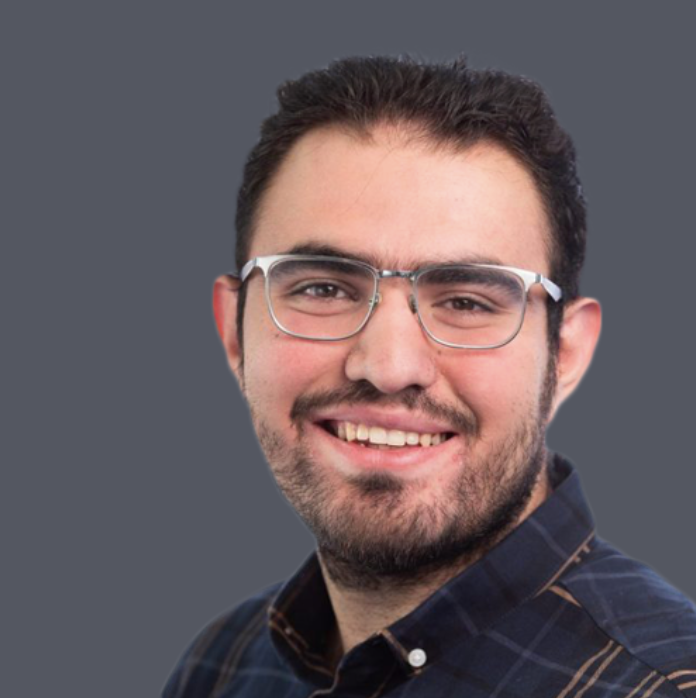
Amirsiavosh Bashardoust is a PhD candidate in the Department of Information Systems at HEC Lausanne, University of Lausanne. His current research centers on developing a multi-agent system running on local, on-device LLMs to detect and counter misinformation — an approach aimed at bringing fact-checking capabilities closer to the user while addressing the privacy and latency limitations of cloud-based tools. This builds on his broader work on the sociotechnical dimensions of generative AI, including a study comparing how human-generated and AI-generated fake news differ in their sharing behavior, and a field experiment examining how prompt-engineering training affects journalists’ use of LLMs

Read bio
Prof. Dr. Liudmila Zavolokina is Assistant Professor of Digital Innovation and Information Systems at HEC of the University of Lausanne. Her research focuses on human-centered design and use of digital technologies in areas that create public value, including humanitarian applications, resilience to propaganda, and government technology.
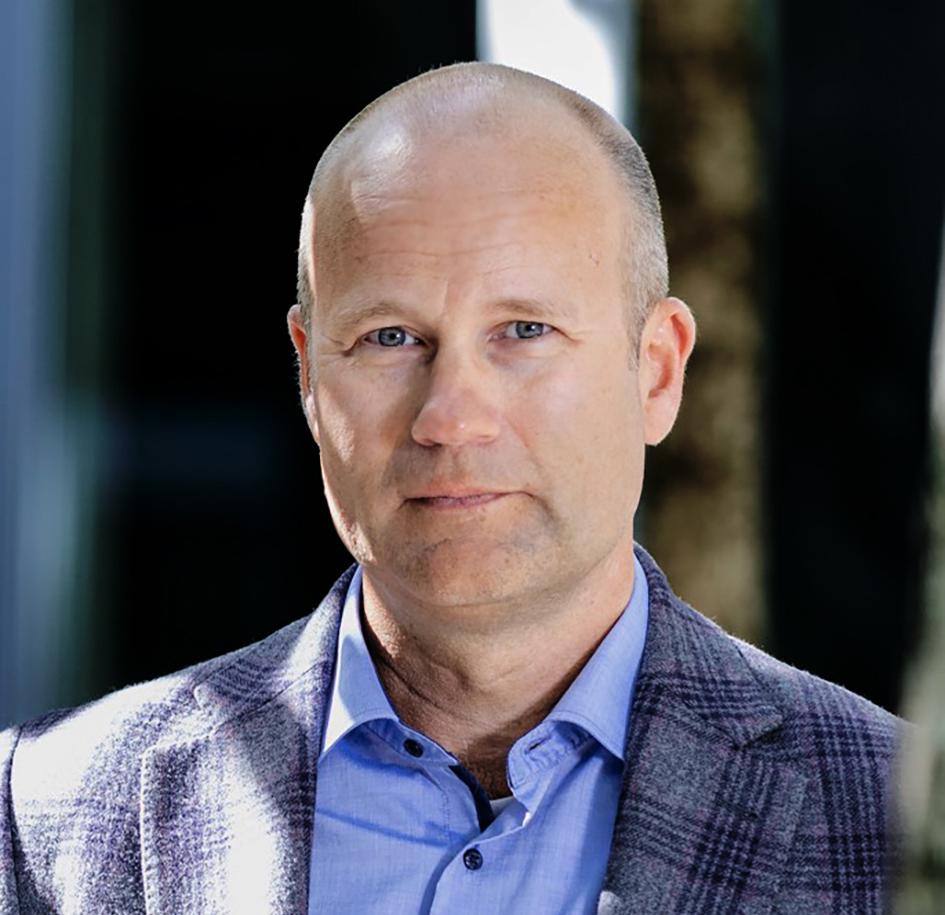
Patrick Haack
Professor of Strategy and Responsible Management
Read bio
Patrick Haack is Full Professor of Strategy and Responsible Management at HEC Lausanne, University of Lausanne, where he serves as Director of the Dept. of Strategy, Globalisation and Society. He is also an International Research Fellow at the Oxford University Centre for Corporate Reputation and Director of the HEC Research Center for Grand Challenges, a cross-faculty hub advancing research and teaching on major societal and economic issues. His research focuses on the conceptual and empirical study of legitimacy, a foundational mechanism that shapes social and institutional change. Most recently, his work on countering fake news examines why traditional information-based responses often fail and proposes new strategies to help organizations maintain trust in an era of disinformation. He serves as an Associate Editor at the Journal of Management Studies and sits on the editorial boards of the Academy of Management Review, Journal of Management, and Organization Studies.
Read bio
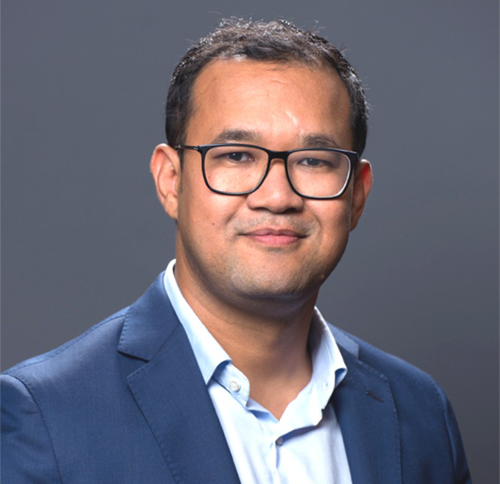
Yash is an Associate Professor (with tenure) at the Department of Information Systems (DESI), Faculty of Business and Economics (HEC) at the University of Lausanne. He is Head of Applied AI Lab at University of Lausanne. He is also Academic Director of Strategy and AI Laboratory ( SAIL ) at ETH Zürich and Principal Investigator of Human-AI collaboration for medical decision making unit at the Sense.Our research program explores how organizations can effectively adopt and integrate AI-based systems by addressing both technical and organizational challenges. We combine insights from management science, computer science, medical sciences and social sciences to develop actionable frameworks and solutions that support responsible, scalable, and impactful AI adoption in diverse settings.
Operational Team
Researchers
Call for Papers
We invite PhD students and postdoctoral researchers from any institution to submit an abstract for the Research Paper Session at the workshop on September 24, 2026 (11:00 – 12:00).
Background & Purpose
The rapid proliferation of AI-generated content, deepfakes, and algorithmically amplified narratives has fundamentally transformed the disinformation landscape. At the same time, AI-powered tools are increasingly being deployed to detect, fact-check and counter false information at scale. This dual role of AI as both a vector and a remedy raises urgent scientific, ethical, and policy questions that cut across disciplines.
The Research Paper Session provides an opportunity for early-career researchers to present their work in a collegial setting, receive substantive feedback from senior academics and practitioners, and engage in cross-disciplinary dialogue.
Topics of Interest
We welcome submissions addressing the following themes.
The list is non-exhaustive.
— Detection of deepfakes and AI-generated synthetic content
— Propagation dynamics, network structures, and targeted populations
— Large language models for fact-checking: promises and limits
— Platform governance, regulation and policy responses to AI-driven disinformation
— Media literacy, education and public awareness initiatives
— Cross-disciplinary and mixed-methods approaches to studying disinformation
— Ethical implications of AI in the information ecosystem
Submission Format
We welcome submissions at all stages of development, from early ideas to work in progress. Full papers are not required at the time of submission.
Abstracts should be submitted as a single PDF file using the
following specifications:
Key Dates
What to Expect
Registration
Join the Workshop
Select how you’d like to participate, then complete the form below.
Registrations are now closed. Thank you for your interest in the event.